Pellentesque non dolor vitae lacus fringilla consequat vel quis enim. Cras venenatis mollis neque in fringilla. In vitae
- Phone +971-55-3107343
- Email info@swiftexpress.me

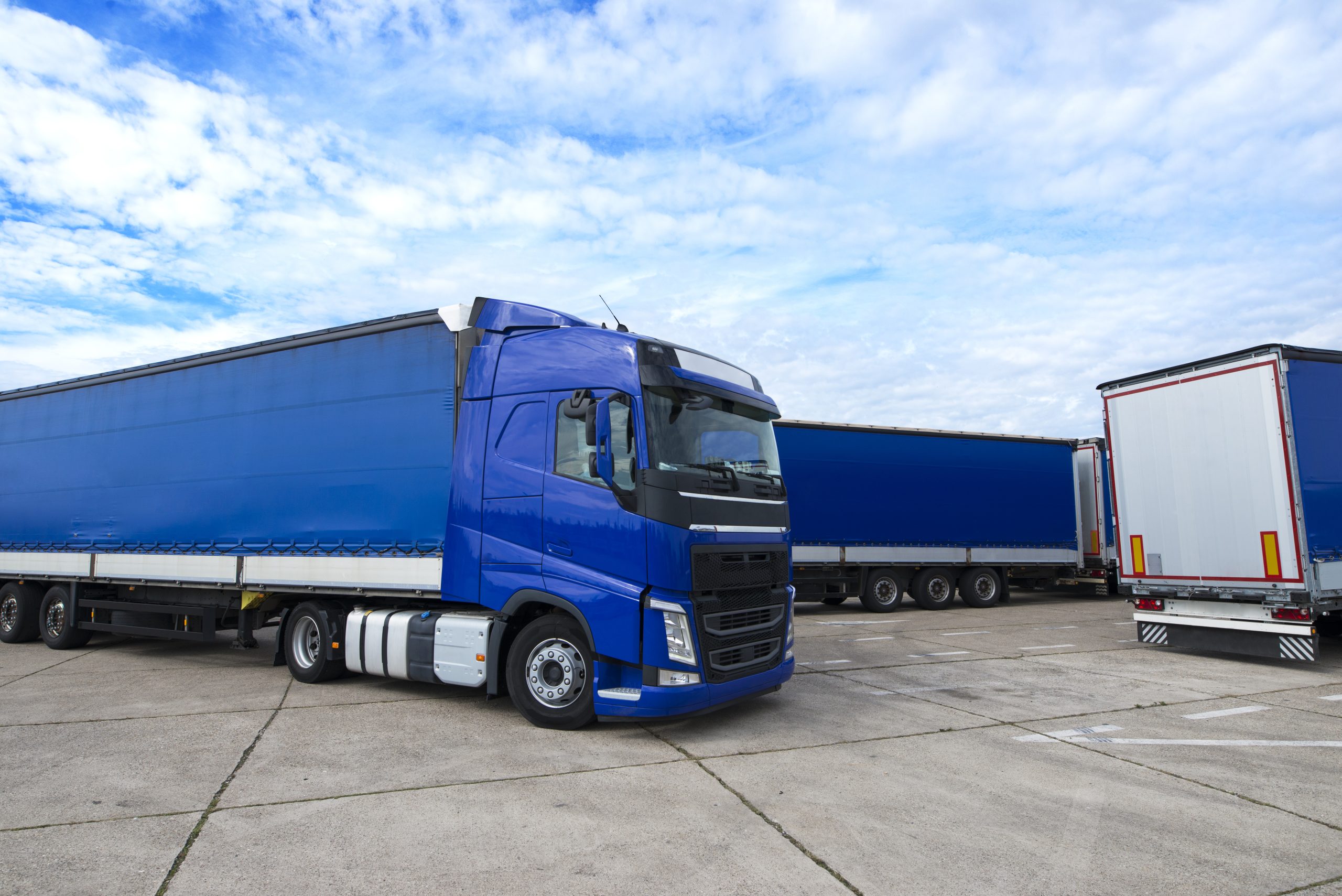
We excel in providing Land Freight services to Gulf Cooperation Council (GCC) or Middle East (ME) countries for both import & export shipments. We also specialize in projects that require additional transportation or logistics management that are needed on urgent basis. Making us your reliable partner for all your logistic needs at any location and at any time.
When it comes to shipping goods, there are several transportation modes available, including air, sea, and land freight. Land freight refers to the transportation of goods by road, rail, or a combination of both. This method of shipping is ideal for shipments that need to be delivered within a specific region or country. We excel in providing Land Freight services to Gulf Cooperation Council (GCC) or Middle East (ME) countries for both import & export shipments.
Today, majority of the world’s trade is carried out through Sea. There are huge benefits of transportation to the manufacturers, traders and consumers alike; sea routes have made the transportation of large loads of goods from one end of the world to the other end cost effective, safe and efficient.
Sea freight is one of the most affordable ways for transportation of goods. It is okay to have some questions regarding sea freight, and we are here to help. Let’s connect!
Sea freight involves the transportation of cargo by ships. This is the most commonly used mode of transportation for heavy and bulky goods, as it is cost-effective and can handle large volumes of cargo.
Land freight is the transportation of goods by land. It’s used for both international and domestic shipments, and it’s much cheaper than air freight. Land freight is more reliable than air freight, but less expensive than ocean freight.
When it comes to shipping goods, there are several transportation modes available, including air, sea, and land freight. Land freight refers to the transportation of goods by road, rail, or a combination of both. This method of shipping is ideal for shipments that need to be delivered within a specific region or country. We excel in providing Land Freight services to Gulf Cooperation Council (GCC) or Middle East (ME) countries for both import & export shipments.
Today, majority of the world’s trade is carried out through Sea. There are huge benefits of transportation to the manufacturers, traders and consumers alike; sea routes have made the transportation of large loads of goods from one end of the world to the other end cost effective, safe and efficient.
Sea freight is one of the most affordable ways for transportation of goods. It is okay to have some questions regarding sea freight, and we are here to help. Let’s connect!
Sea freight involves the transportation of cargo by ships. This is the most commonly used mode of transportation for heavy and bulky goods, as it is cost-effective and can handle large volumes of cargo.
Land freight works by transporting goods from one location to another via road transport. The process involves several steps:
Land freight is the movement of goods by land, as opposed to air or sea. The key components of land freight are the truck, trailer and cargo. The cargo is the most important part of this journey because it’s what you’re trying to get from point A to point B in one piece.
There are many benefits to using land freight services for your shipping needs:
Ocean freight is a type of shipping that involves using large cargo ships to transport goods over long distances. Ocean freighters are typically used for transporting heavy and/or bulky items that cannot be transported by air or land, such as crude oil and other raw materials.
Land freight, on the other hand, is used to transport smaller parcels across shorter distances (usually within one country). This type of shipping may include trucks or railcars depending on what route you choose for your shipment and how far you need to go. Both ocean freight and land freight have advantages depending on what kind of goods you’re shipping and where they need to go; however, there are also some key differences between them.
When choosing a land freight service for your shipping needs, there are several considerations to keep in mind:
Land freight is an efficient and reliable shipping solution for shipments that need to be delivered within a specific region or country. It offers a range of shipping options and is often more cost-effective and environmentally friendly than air or sea freight. When considering a land freight service, it’s important to keep in mind the transit time, capacity, route availability, and customs and border regulations to ensure a smooth and successful shipment
Land freight, on the other hand, is used to transport smaller parcels across shorter distances (usually within one country). This type of shipping may include trucks or railcars depending on what route you choose for your shipment and how far you need to go. Both ocean freight and land freight have advantages depending on what kind of goods you’re shipping and where they need to go; however, there are also some key differences between them.
With networks that span billions of people across six continents, delivering is our business. It's also our responsibility to deliver the resources that improve the lives of those we serve.

Package Handlers are responsible for warehouse duties including: the physical loading, unloading and/or sorting of packages of varying sizes and weights by hand, including lifting, pushing, pulling, carrying, scanning, placing packages, as well as physical bending, twisting, kneeling, etc.
Even as the logistics industry continues to evolve and integrate innovative solutions into the global and local supply chains, there are still a few central challenges that tend to rear their ugly heads time after time. In this blog post we are going to take a look at a few of the most common logistics problems that the industry wrestles with, and how to circumvent their effects.
Effective logistics planning is the fundamental to successful supply chain management. This necessitates error-free transportation of items and information throughout the process, even in the face of unanticipated problems. Combined with a well-organized process, smart handling of logistics will ensure a huge sense of reliability throughout the entire supply chain.
Logistic regression is a data analysis technique that uses mathematics to find the relationships between two data factors. It then uses this relationship to predict the value of one of those factors based on the other. The prediction usually has a finite number of outcomes, like yes or no.
Logistics can be split into five types by field: procurement logistics, production logistics, sales logistics, recovery logistics, and recycling logistics.